
The female urinary system, comprising the kidneys, ureters, bladder, and urethra, plays a crucial role in filtering blood, eliminating waste, and maintaining fluid balance. Hormones are chemical messe...

The female urinary system, comprising the kidneys, ureters, bladder, and urethra, plays a crucial role in filtering blood, eliminating waste, and maintaining fluid balance. Hormones are chemical messe...

Understanding how semen is produced is crucial for both medical and educational purposes, shedding light on male fertility and reproductive health. The male reproductive tract is a complex system, com...

The testicles, or testes, are critical to male biology, playing a pivotal role in both hormone production and fertility. These small, oval organs situated in the scrotum are responsible for generating...

Understanding the anatomy of the penis is crucial not only for medical professionals but also for broader audiences who seek a clearer insight into human physiology. The penis is a complex organ that ...

The intricate collaboration between the male urinary and reproductive systems is a topic of immense importance, not only for healthcare professionals but also for individuals seeking to understand the...

The bladder, a key organ in the human urinary system, functions primarily as a reservoir for urine produced by the kidneys. Structurally, it comprises several parts, one of which holds exceptional sig...

The urinary system plays a crucial role in the body’s waste management by removing waste and maintaining water balance. One key component of this system is the urethra, a duct through which urin...

The bladder plays a crucial role in the urinary system by storing urine until the body is ready for its expulsion. This pear-shaped organ acts like a reservoir, holding urine produced by the kidneys u...

The human kidneys, two bean-shaped organs, are strategically located in the body, underscoring numerous anatomical and physiological principles. Understanding why kidneys are situated just below the r...
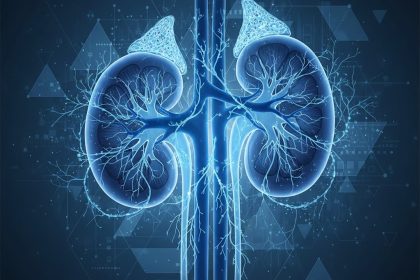
The kidneys are crucial organs in the human body, known primarily for their role in filtering waste from the blood and ensuring the balance of fluids and electrolytes. Each day, around 150 to 180 lite...