
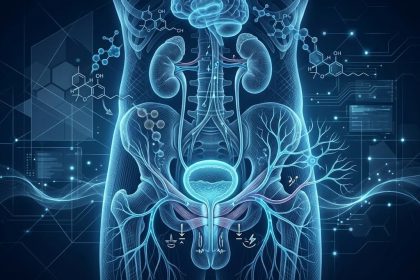
Urinary incontinence is a condition characterized by the involuntary leakage of urine, which can significantly affect daily life and social interactions. It affects millions worldwide, leading to disc...

The urothelium, lining the inner surface of the bladder, serves a crucial role in urological anatomy. Traditionally viewed as a barrier preventing leakage and protecting underlying structures from tox...

Chronic pelvic pain syndrome (CPPS) is a debilitating condition affecting millions, characterized by persistent pain in the pelvic region without an identifiable bacterial infection. It significantly ...

Synthetic Cannabinoids in Urology Research – Why Lab-Made Compounds May Unlock New Kidney Treatments
Cannabinoids, naturally occurring compounds found in cannabis plants, have garnered substantial attention in medical research due to their therapeutic potential. Known for interacting with the body...

Semen is a complex biological fluid that serves as the vehicle for sperm transport during male reproduction. Beyond its role in fertility, semen quality functions as a reliable biomarker of overall ma...
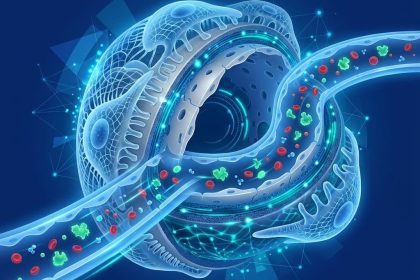
The kidneys are among the body’s most essential organs, performing the critical task of filtering approximately 180 liters of blood every day while maintaining the precise chemical balance neces...
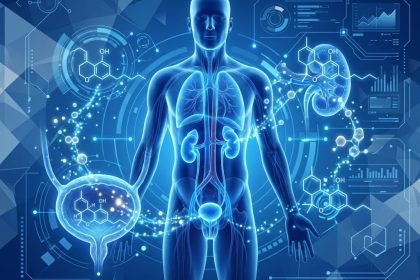
Medical marijuana has gained significant traction as a therapeutic option, hailed for its potential to alleviate symptoms across a range of medical conditions. This increasing acceptance is mirrored i...
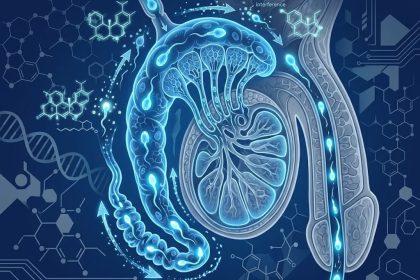
The male reproductive system is a precisely coordinated network of organs, ducts, and glands. Most discussions focus on the testes, where sperm are produced, or on ejaculation mechanics. Yet one criti...

Urinary biomarkers are measurable biological substances found in urine that provide clinically meaningful information about a person’s health status. Because urine is produced continuously throu...

Renal fibrosis — commonly called kidney scarring — is a pathological process in which functional kidney tissue is progressively replaced by rigid scar tissue, impairing the organ’s ability to fi...