

The bladder is far more than a simple holding tank. It is a sophisticated, pressure-regulating organ that actively manages the storage and expulsion of urine through precise muscular coordination. At ...

When most people hear the term bladder outlet obstruction, the immediate association is with an enlarged prostate. This connection is understandable — benign prostatic hyperplasia (BPH) remains the le...

When most people think of urinary tract infections, they picture a condition that primarily affects women. That association is epidemiologically accurate — women are far more likely to develop UTIs ov...

Vesicoureteral reflux (VUR) is a urological condition in which urine flows backward — from the bladder up into one or both ureters and kidneys — instead of following its normal one-way path out of the...

Erectile dysfunction (ED) is among the most prevalent conditions affecting male sexual health globally, touching the lives of an estimated 150 million men and their partners. While first-line treatmen...

Pressure-flow studies, a core component of urodynamic testing, measure how well the bladder stores and releases urine by recording internal pressures during filling and voiding. Unlike routine urine t...
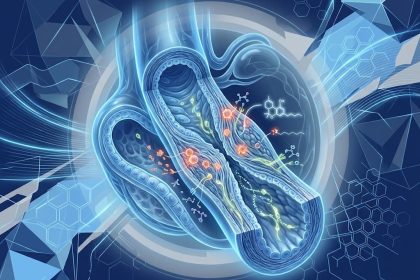
The ureter is a narrow muscular tube, roughly the width of a drinking straw, responsible for carrying urine from each kidney down to the bladder. Keeping this tube open — a condition clinicians call u...